
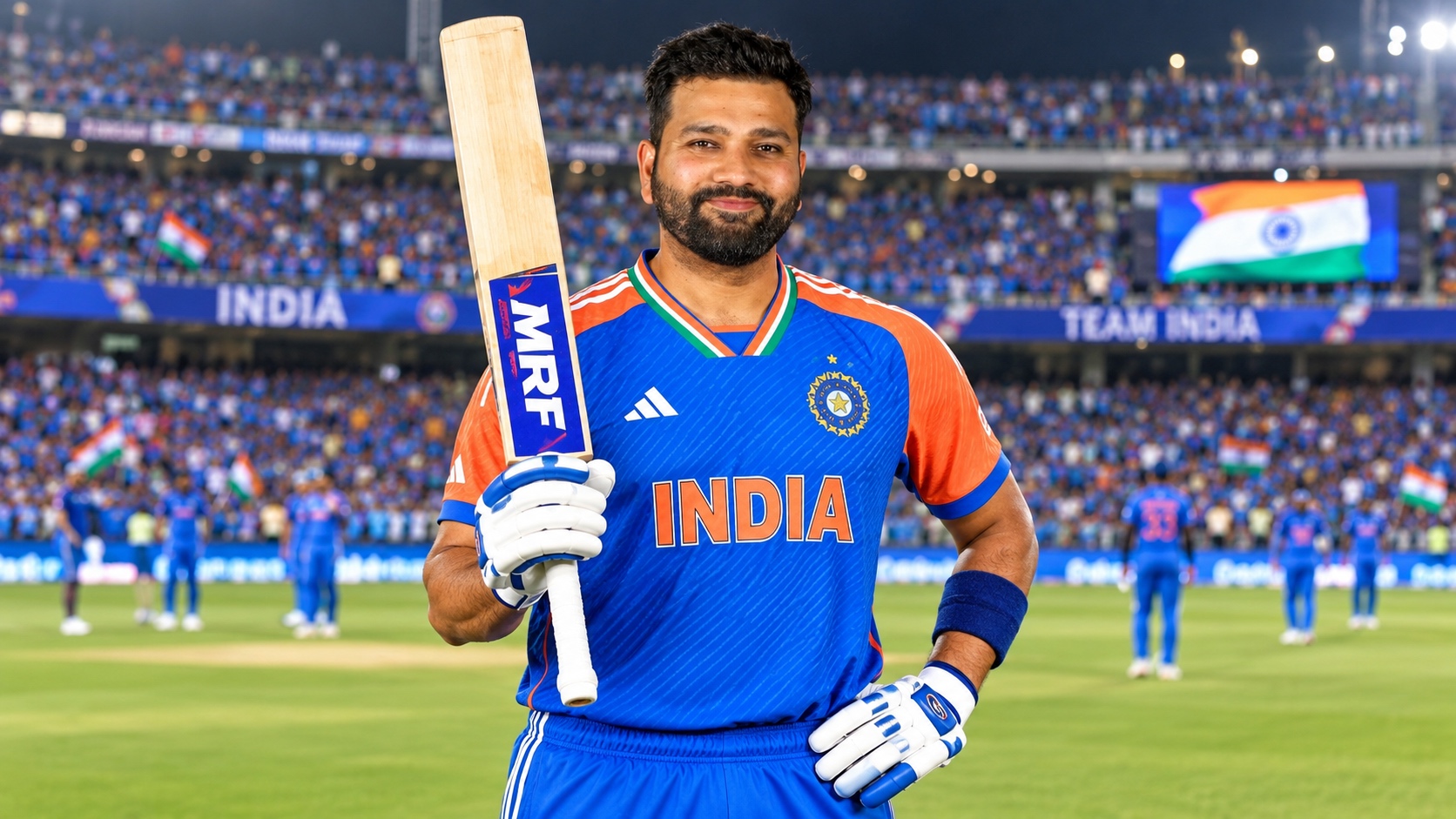
THE ART OF ELEGANCE AND RESILIENCE: THE ROHIT SHARMA INTERVIEW
Words by GO! Dubai Press & Media
EXCLUSIVE INTERVIEW | INTERNATIONAL CRICKET | SPECIAL WORLD FEATURE |
From Mumbai’s Maidans to World Cup Glory — India’s ‘Hitman’ Reflects on Career, Family, and the Future
Introduction: The Master of Time and Space
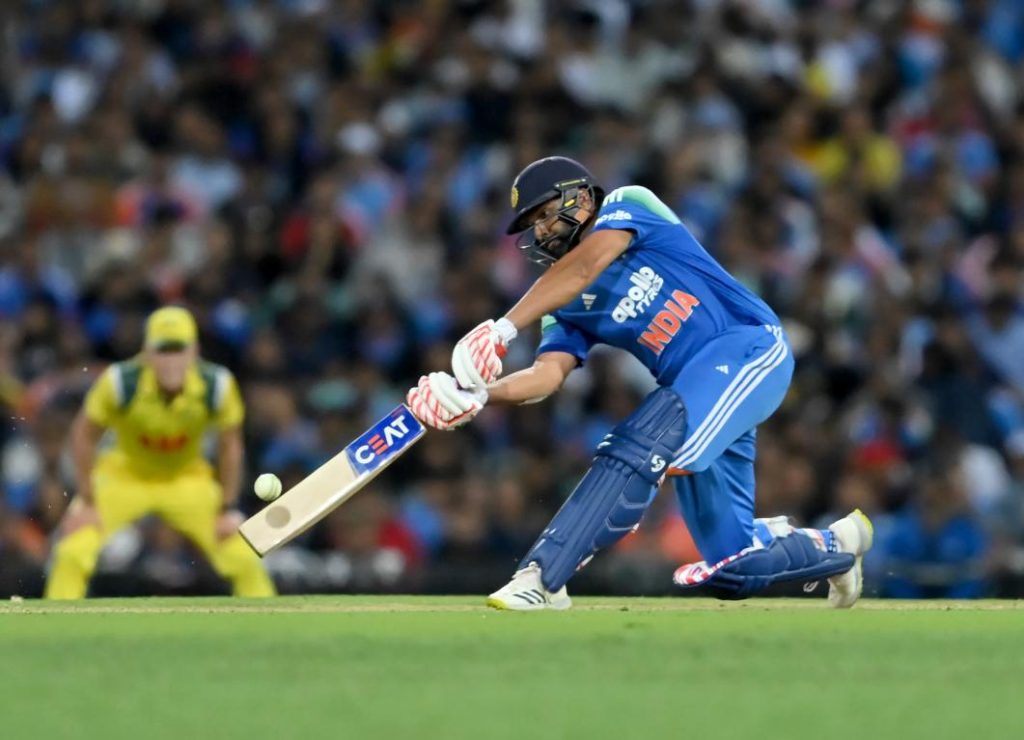
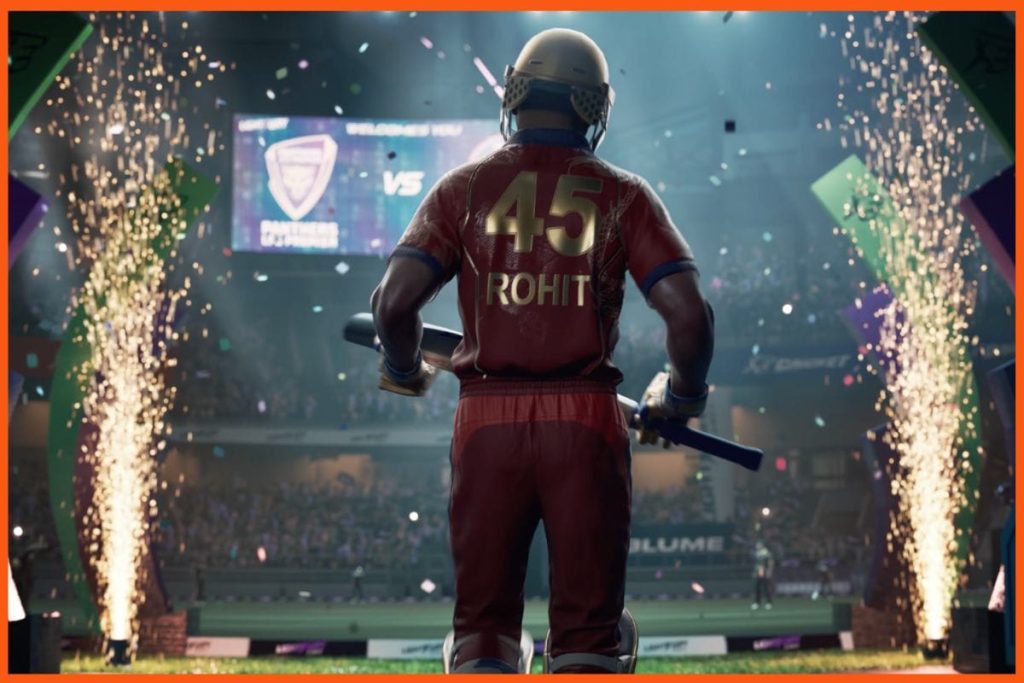
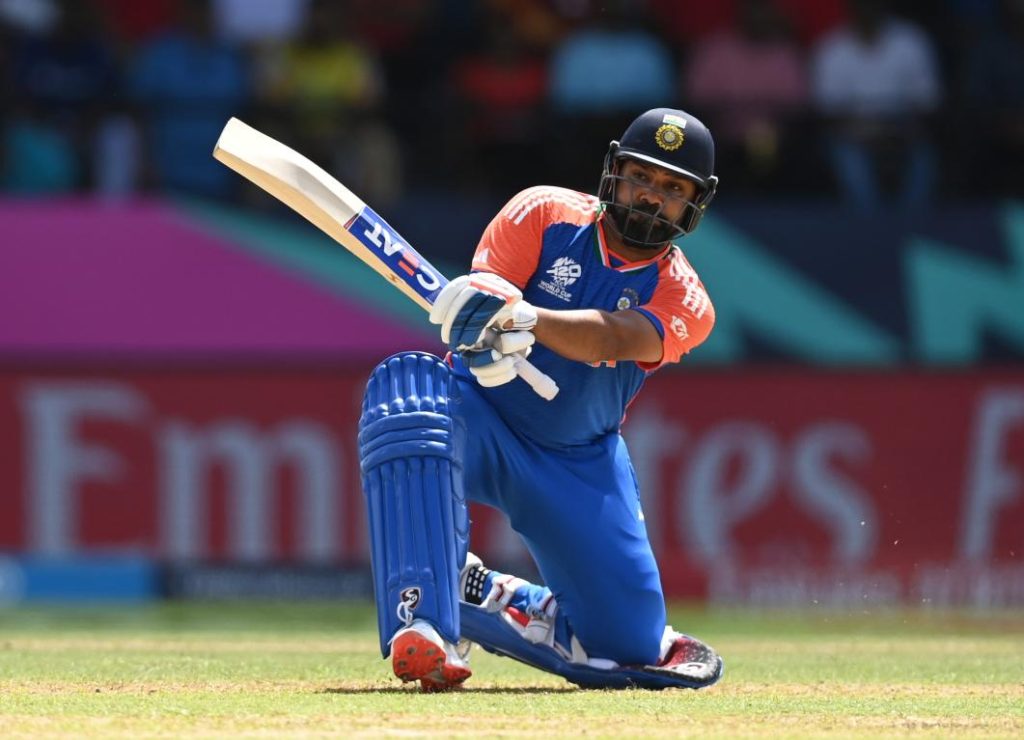
In the high-pressure, relentless world of international cricket, few sights are as mesmerizing as Rohit Sharma in full flow. Known globally as the ‘Hitman’, Rohit possesses an innate gift that commentators and opponents often describe as having an ‘extra half-second’ to play his shots. Whether effortlessly pulling a 150 km/h bouncer over mid-wicket or anchoring a high-stakes World Cup final, the legendary Indian captain carries himself with a distinctive blend of relaxed elegance and fierce competitiveness.
Yet behind the iconic double centuries, IPL titles, and World Cup trophies lies a deeply human story of struggle, family sacrifice, heartbreaks, and relentless self-belief. From his humble roots in Borivali, Mumbai, to reaching the zenith of world cricket, Rohit’s journey has been anything but a smooth ride.
In this exclusive long-form interview, Rohit Sharma opens up candidly about his early years, his emotional debut for India, the pillars of family that keep him grounded, the crushing setbacks that tested his resolve, his vision for the future, and his granular mental blueprint for approaching every single match.
Borivali roots, off-spin, and the Mumbai Maidans
INTERVIEWER: Rohit, when cricket fans talk about you today, they picture one of the greatest opening batsmen of all time. But taking you back to your childhood in Mumbai, you actually started out as an off-spinner who batted down the order. Tell us about those early years at Swami Vivekanand International School.
ROHIT SHARMA: It’s funny when I look back at it now, because most people don’t know that my cricket journey actually started with a bowl in my hand! Growing up in Borivali, money was tight. My father, Gurunath Sharma, worked hard as a caretaker in a transport company storehouse, and because of our financial constraints, I lived mostly with my grandparents and uncles in Dombivli. I used to travel long hours just to play cricket on the dusty maidans of Mumbai.
My uncle and my friends saw how passionately I loved the game, so they pooled together ₹50 rupees each to send me to a small cricket camp in 1999. That was where I met my coach, Dinesh Lad Sir. He changed my life completely. He saw something in me and convinced my uncle to transfer me to Swami Vivekanand International School, even getting my fee waived because we couldn’t afford it. Initially, I was focusing almost entirely on off-spin bowling and batting at number eight or nine. But one afternoon in a local tournament, our regular openers were unavailable, and Dinesh Sir looked at me in the nets and said, ‘Rohit, you’re opening today.’ I went out there, scored a hundred, and never looked back. That single decision altered the trajectory of my entire life.
“Dinesh Sir looked at me in the nets and said, ‘Rohit, you’re opening today.’ I went out there, scored a hundred, and never looked back.” — Rohit Sharma |
INTERVIEWER: Playing cricket in Mumbai comes with a unique pressure—the famous ‘Mumbai Khadoos’ attitude. How did grinding through Mumbai’s domestic circuit shape your mental toughness?
ROHIT SHARMA: If you grow up playing cricket in Mumbai, toughness isn’t taught in a lecture; it’s absorbed through the soil. Mumbai cricket is ruthless in the best possible way. The maidans teach you respect for every single run. You learn very quickly that talent alone means nothing if you don’t have grit. When you play Kanga League in the rainy season on treacherous pitches with balls skidding off wet grass, or when you walk into the Mumbai Ranji Trophy dressing room surrounded by legends who expect nothing less than victory, you mature rapidly.
The ‘Khadoos’ mindset means you never give up your wicket easily. You value your place in the team because there are ten guys waiting right behind you to take your spot. That environment gave me my backbone. It taught me that no matter how difficult the conditions or how tough the opposition, you hold your head high, absorb the pressure, and deliver for your team.
Earning the India Cup and the Maiden Break
INTERVIEWER: Take us back to 2007. You were just 20 years old when you received the call-up to the Indian National Team for the ODI series in Ireland and subsequently the inaugural ICC T20 World Cup in South Africa. What was going through your mind when you wore the India jersey for the very first time?
ROHIT SHARMA: Putting on that Blue Jersey with the BCCI emblem on your chest for the very first time… honest to God, it gives you goosebumps that you can never truly explain in words. As a kid playing on the streets of Borivali, dreaming about playing for India is all you think about. So when it actually happens, it feels almost surreal.
I made my ODI debut in Belfast against Ireland in June 2007. I didn’t even get a chance to bat in that game, but just sitting in that dressing room alongside players like Rahul Dravid, Sourav Ganguly, and Sachin Tendulkar was mind-blowing. I was completely starstruck! But then came the 2007 T20 World Cup in South Africa later that year under MS Dhoni. That tournament was a whirlwind. I was given a chance against South Africa in a must-win game at Durban when we were under immense pressure, and I scored an unbeaten 50. Then hitting those crucial runs in the final against Pakistan… winning a World Cup at 20 years old was a fairytale start. It showed me that I belonged on the international stage.
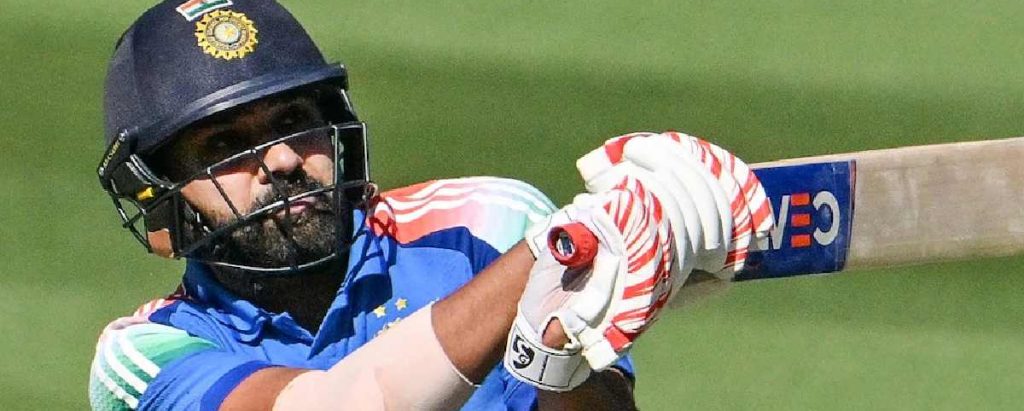
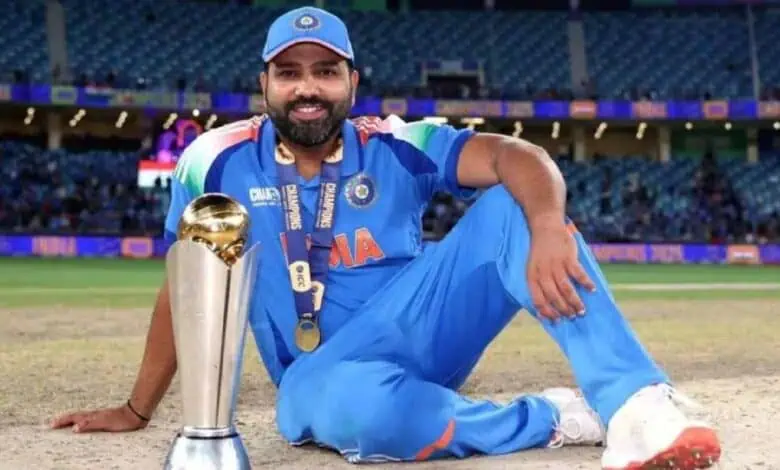
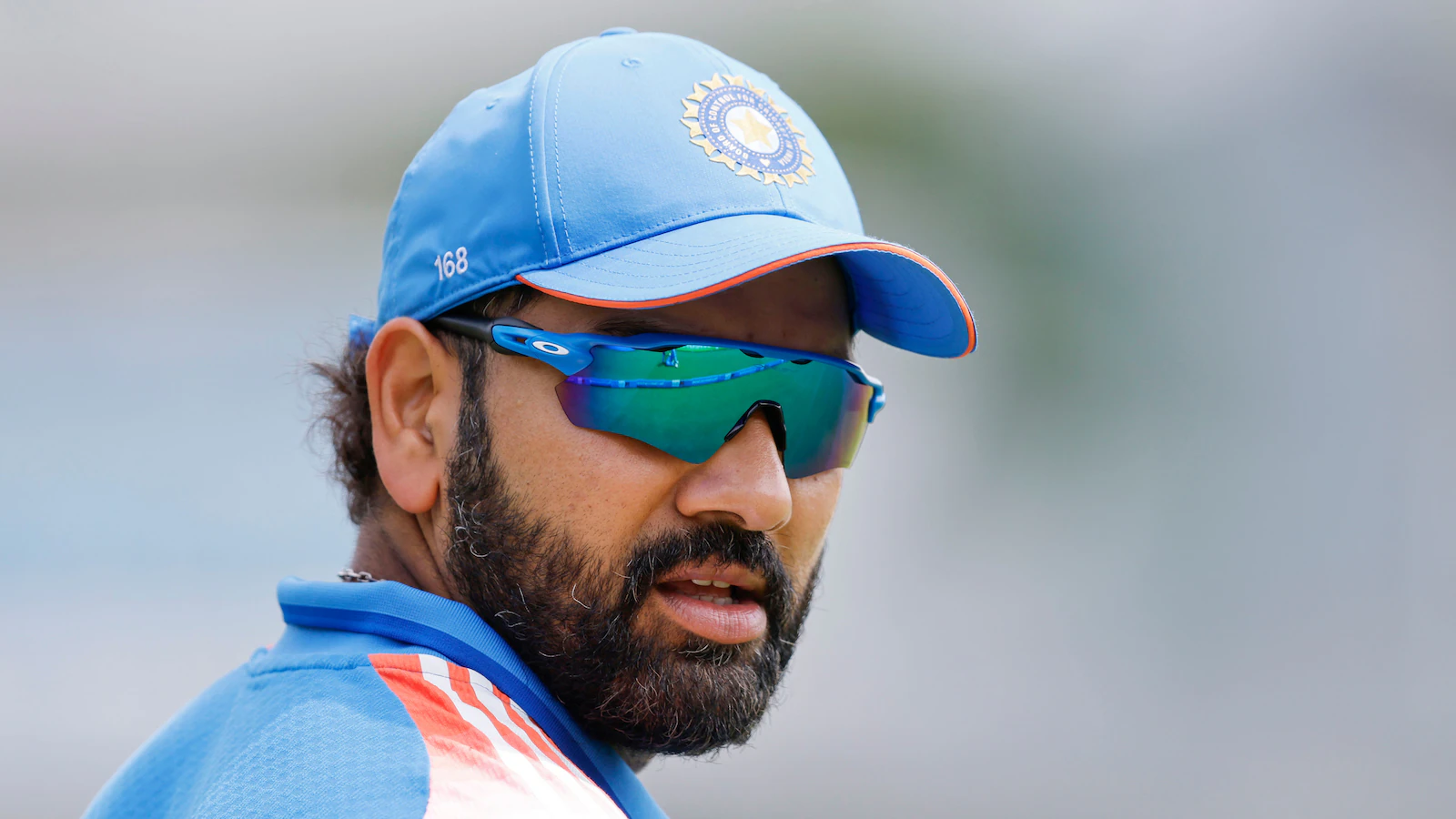
INTERVIEWER: Early in your international career, commentators often praised your talent, but there was also intense scrutiny regarding your consistency. How did you handle that noise in your early twenties?
ROHIT SHARMA: It was tough, I won’t pretend otherwise. When you are young, people throw words around like ‘effortless’, ‘lazy elegance’, or ‘unfulfilled talent’. When things are going well, those labels sound flattering. But when you hit a patch of low scores, those exact same words get turned against you—people say you look ‘careless’ or that you don’t care enough. That was hard to process because nobody wants to succeed more than the player standing in the middle.
I had to learn to shut out external noise. In international sport, opinions change ball by ball. I realized that the only opinions that truly mattered were those of my coaches, my captain, my teammates, and my own conscience. I had to stop trying to prove things to critics and focus on working hard on my technique, my fitness, and my mental discipline.
Overcoming heartbreak and the great opening shift
INTERVIEWER: The biggest heartbreak of your career came in 2011 when you were left out of India’s squad for the home ICC Cricket World Cup—a tournament India ultimately won. How did you react to that devastating setback, and how did it change you?
ROHIT SHARMA: Missing out on the 2011 World Cup squad was the lowest, most heartbreaking moment of my entire career. Playing a World Cup at home, in front of your own people, is every Indian cricketer’s ultimate dream. When the squad was announced and my name wasn’t on that list, I was completely crushed. I locked myself in my room for days. I was angry, disappointed, and hurt.
But once the initial shock wore off, I sat down and looked at myself in the mirror. I couldn’t blame the selectors; I had to hold myself accountable. My performances in the lead-up had been inconsistent. I asked myself, ‘Do you want to sit here and feel sorry for yourself, or do you want to change your destiny?’ That heartbreak became the biggest turning point of my career. I completely overhauled my approach to training, my diet, and my mental preparation. I resolved that I would never leave my selection to chance again. It rebuilt my character from scratch.
“Missing out on the 2011 World Cup squad was the lowest moment of my career… but I sat down and looked in the mirror. That heartbreak became the biggest turning point.” — Rohit Sharma |
INTERVIEWER: In 2013, during the ICC Champions Trophy in England, MS Dhoni made the legendary decision to promote you to open the batting in ODIs. How did that change your career path?
ROHIT SHARMA: MS Dhoni coming up to me during the 2013 Champions Trophy and asking me to open the batting alongside Shikhar Dhawan was a masterstroke that reinvented my career. Opening in English conditions with two new white balls against quality pace bowlers was a massive challenge, but MS believed in me. He told me, ‘You have the time and the shot range to handle the new ball. Just trust yourself.’
Opening the batting gave me the freedom and space I needed. In the middle order, you often come in under situational constraints—either chasing quick runs or saving a collapse. But as an opener, you construct the entire innings. You face the fast bowlers when they are at their freshest, but if you get past the initial 10 to 15 overs, the ground opens up completely. Scoring double centuries in ODIs—209 against Australia, 264 against Sri Lanka—came from that newly found confidence. That shift allowed me to become the batsman I always believed I could be.
The anchors of life — family and personal pillars
INTERVIEWER: Throughout all the high-stakes pressure of leading India and playing around the clock, how important has your family been as your support system?
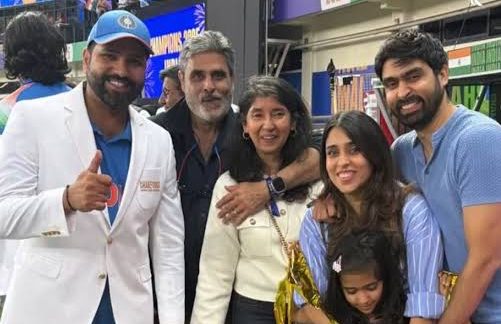
ROHIT SHARMA: Family is my absolute foundation. Without my family, I would be nothing. When you step off the cricket field, the world still views you as ‘Rohit Sharma the cricketer’ or ‘the Indian Captain’. But when I walk through the door of my home, I am just a son, a husband, and a father. That balance is what keeps me sane.
My parents sacrificed so much when I was young—my father working endless hours, my mother always worrying about my health and nutrition. And then my wife, Ritika. She has been my solid rock. Ritika doesn’t just manage my life; she manages my emotions. She feels every run I score, every heartbreak, and every victory just as deeply as I do, if not more! When she is in the stands holding her hands together during a tight match, knowing she is there gives me immense peace.
INTERVIEWER: Has fatherhood changed your perspective on life and cricket since your daughter Samaira was born?
ROHIT SHARMA: Fatherhood changes everything! When Samaira came into our lives, my entire perspective shifted. Before having a child, a bad performance or a duck would ruin my sleep for three days straight. I would sit in my room overanalyzing every mistake. But now, no matter how bad a day I had on the field, when I come back to the hotel room and Samaira runs up to hug me or asks me to play with her toys, all the stress of international cricket instantly vanishes.
She doesn’t care if I scored a double century or got out for zero; to her, I’m just her dad. That unconditional love puts sport into perspective. It reminds me that cricket is a major part of my life, but it is not my entire life. That mental detachment has actually made me a calmer, more balanced captain on the field.
“No matter how bad a day I had on the field, when my daughter runs up to hug me, all the stress of international cricket instantly vanishes.” — Rohit Sharma |
Looking into the future and next game preparation
INTERVIEWER: You have achieved almost everything in modern cricket—multiple World Cups, IPL trophies, iconic double centuries, and captaining India across formats. What keeps the fire burning inside you, and how do you see your future in the game?
ROHIT SHARMA: The hunger never dies! The moment a sportsman loses that fire in his belly to win games for his country, it’s time to walk away. For me, that hunger is as strong today as it was when I first walked onto the maidan in 1999. My focus is on leaving Indian cricket in a healthier, stronger, and more dominant position for the next generation.
As for the future, I don’t look too far down the road because in cricket, thinking five years ahead distracts you from what’s right in front of you. Right now, my energy is completely focused on captaining India, winning major ICC tournaments, and mentoring the incredible young talent coming through our domestic system. When the time comes to step away from international playing duties, I will definitely stay connected to cricket—whether that’s through coaching, grassroots development, or building academies to help underprivileged kids in India get the same chance Dinesh Lad Sir gave me.
INTERVIEWER: Finally, Rohit, walk us through your precise process for preparing for the next big game. How do you prepare mentally, physically, and tactically before walking out to toss?
ROHIT SHARMA: My preparation starts long before match day. Visually and tactically, I spend a lot of time studying video analysis of the opposition bowlers—their release points, their variations, pitch conditions, and field placements. But I try not to over-complicate my mind with too much information. On the night before a game, I like to completely disconnect. I spend time with Ritika and Samaira, watch something relaxing, or listen to music. I need my mind to be fresh.
On match morning, I have a set routine. I do my mobility work, get a good light session in the gym, and spend 20 to 30 minutes in the nets hitting the ball cleanly to feel the rhythm of my bat swing. But the most crucial part is mental: once I cross that boundary rope, I practice what I call ‘present-moment awareness’. You cannot bat in the past or in the future. You can only play the ball that is being bowled to you right now. If a bowler bowls a good ball, respect it. If it’s in your zone, back your instincts and hit it. It’s about keeping things simple, staying calm under fire, and trusting the work you’ve put in over twenty years.
Conclusion: A legacy built on grace and grit
As Rohit Sharma adjusts his cap and prepares to head back to the nets, there is an undeniable sense of fulfillment around him. His journey—from a quiet boy in Borivali borrowing money for cricket camps to one of the most celebrated icons in world sport—is a testament to the power of resilience. He has experienced the agony of omission and the ecstasy of World Cup triumph, always remaining true to his humble roots.
For cricket fans across the globe, Rohit Sharma is not just a master batsman or an astute captain; he is proof that grace, patience, and family values can co-exist with fierce competitive drive. As Indian cricket marches forward under his stewardship, the ‘Hitman’ continues to write his legacy—one sublime stroke at a time.