
This is Mumbai; City of Dreams
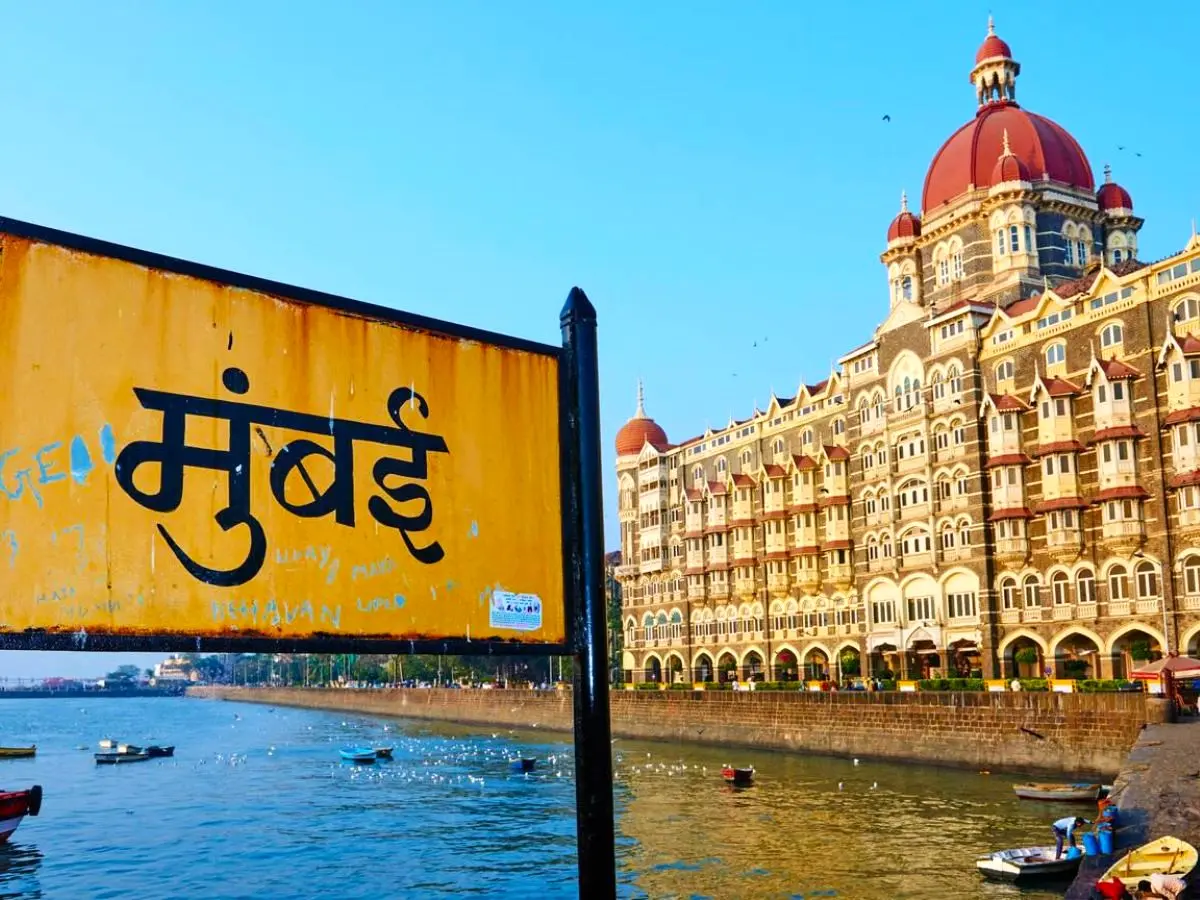
MUMBAI — WHERE CULTURE MEETS THE SILVER SCREEN
The city of dreams, rhythm, heritage and Bollywood
Mumbai is not a city that simply welcomes you — it sweeps you into its rhythm. From the first rush of commuters on a local train to the glow of Marine Drive after sunset, Mumbai is a place of movement, ambition, colour and extraordinary contrasts. Skyscrapers rise beside colonial-era buildings, luxury boutiques share streets with lively bazaars, and ancient traditions exist comfortably alongside one of the world’s most glamorous entertainment industries.
Known as the capital of Maharashtra and one of India’s great economic and cultural centres, Mumbai has long been a city where people arrive with dreams. Some come to build businesses, some to create art, some to find opportunity — and many come hoping that somewhere among its crowded streets, studios and theatres, their own story will begin.
A CITY BUILT FROM SEVEN ISLANDS
Long before Mumbai became India’s financial and entertainment powerhouse, it was a collection of seven islands inhabited by fishing communities, including the Koli people. Its position on the Arabian Sea eventually made it an important trading location. The islands passed through Portuguese and British control, and in the 17th and 18th centuries ambitious reclamation projects gradually joined them together.
The transformation accelerated under British rule. Roads, railways, docks, educational institutions and grand public buildings helped turn Bombay, as the city was then known, into a major port and commercial centre. The arrival of the railway was particularly significant, connecting the growing metropolis with the wider region and helping fuel its industrial expansion.
The city became an important centre of India’s independence movement before independence in 1947. In 1960, Bombay became the capital of the newly formed state of Maharashtra. The city’s official name changed to Mumbai in 1995, reflecting its historical and cultural identity.
Today, traces of every chapter remain visible. The Gateway of India looks out over the harbour; Chhatrapati Shivaji Maharaj Terminus remains a magnificent expression of Victorian Gothic and Indian architectural influences; and the streets of South Mumbai reveal a remarkable collection of heritage buildings. Mumbai’s history is not confined to museums — it is part of the scenery of everyday life.
THE CULTURAL HEARTBEAT
Mumbai’s greatest attraction may be its people. The city is a remarkable meeting place for communities, languages, religions and traditions from across India and beyond. Marathi culture is deeply rooted here, while Gujarati, Parsi, Muslim, Christian, South Indian, North Indian and many other communities have contributed to the city’s character.
Festivals transform Mumbai into an enormous stage. Ganesh Chaturthi is particularly spectacular, filling neighbourhoods with elaborately decorated idols, music, processions and public celebrations. Diwali, Eid, Christmas and Holi are also celebrated with enthusiasm, illustrating the city’s long tradition of cultural coexistence.
For art lovers, the Kala Ghoda district is an essential stop, with galleries, cultural institutions, historic architecture and festivals. Museums such as the Dr. Bhau Daji Lad Museum and the Chhatrapati Shivaji Maharaj Vastu Sangrahalaya offer deeper perspectives on India’s art, history and social development.
Mumbai’s cultural story can also be tasted. Few experiences are more authentically Mumbai than eating street food while watching the city rush past. Pav bhaji, bhel puri, sev puri and vada pav are local favourites, while seafood reflects the city’s coastal heritage. The city’s restaurants, cafés and Irani-style establishments add yet another layer to its culinary identity.
And then there is the sea. Marine Drive, affectionately known as the Queen’s Necklace, is where Mumbai seems to pause. Locals gather along the promenade to talk, walk, watch the sunset or simply enjoy the breeze. It is one of the city’s great democratic spaces — glamorous, informal and unmistakably Mumbai.
BOLLYWOOD: WHERE DREAMS BECOME STORIES
For generations, Mumbai has been synonymous with Indian cinema. The connection goes back to the earliest days of moving pictures: in 1896, films by the Lumière brothers were screened in Mumbai, marking a landmark moment in India’s cinematic history. In 1913, Dadasaheb Phalke made Raja Harishchandra, widely regarded as India’s first full-length Indian feature film, establishing a foundation for the country’s film industry.
Over the decades, Mumbai developed into the centre of Hindi-language commercial cinema. The nickname ‘Bollywood’ combines Bombay and Hollywood, but the city’s cinematic identity is much broader than the label suggests. Mumbai has produced spectacular musicals, romantic dramas, action films, social stories, experimental cinema and influential Marathi-language films.
The city’s film industry is also a story about people. Actors, directors, writers, cinematographers, musicians, choreographers, costume designers, technicians and thousands of other professionals contribute to the machinery behind every production. For many aspiring performers, Mumbai represents possibility: the chance to audition, to network, to work as a junior artist or technician, and perhaps one day to see their name on a cinema poster.
At Goregaon, Dadasaheb Phalke Chitranagari — better known as Mumbai Film City — offers a glimpse into this enormous creative ecosystem. Established in 1977, the complex provides studios, outdoor locations and production facilities. Its adaptable sets can become streets, villages, palaces or entirely fictional worlds, making it a fascinating destination for visitors interested in how movies are actually made.
But Bollywood is not restricted to a studio complex. Cinema is woven into Mumbai’s geography. Bandra, Juhu and other neighbourhoods are associated with film personalities, production houses and shooting locations. Mumbai’s streets, cafés, railway stations, beaches and old buildings have all served as cinematic backdrops.
The most fascinating part is perhaps the contrast between the fantasy and the reality. On screen, Mumbai can appear impossibly glamorous. Behind the camera, filmmaking is a demanding business involving long hours, huge teams and meticulous preparation. The magic works because an enormous number of people make it happen.
THE CITY AS A MOVIE SET
Walk through Mumbai and it often feels as if someone is filming. A crowded local train becomes a scene of human drama. A monsoon shower creates instant cinematic atmosphere. The Gateway of India provides grandeur; Marine Drive supplies romance; the narrow lanes of old neighbourhoods offer texture and character.
The city has a natural talent for visual storytelling because its contrasts are so strong. Wealth and hardship, tradition and technology, old architecture and glass towers, quiet temples and roaring traffic can exist within minutes of one another.
This is one reason Mumbai has inspired generations of filmmakers. The city itself provides characters, conflicts, humour, romance and endless movement. It is not merely a backdrop — it is often part of the story.
DISCOVERING MUMBAI BEYOND THE GLAMOUR
A first visit should include the classics: the Gateway of India, the historic precincts of South Mumbai, Chhatrapati Shivaji Maharaj Terminus, Marine Drive and the colourful streets of Colaba. But the real pleasure comes from allowing time to wander.
Explore the markets. Visit a gallery. Stop for street food. Watch the fishermen return with their catch. Take a ferry towards Elephanta Caves. Spend an evening by the sea. Experience the energy of a local neighbourhood rather than rushing from one attraction to another.
And leave room for the unexpected. Mumbai rewards curiosity.
The city’s monsoon season can be dramatic, while the cooler and generally more comfortable period from October to February is widely considered a good time for sightseeing. Traffic can be intense, so journeys often take longer than distances suggest. Local trains are an extraordinary part of Mumbai’s daily life, although visitors unfamiliar with the system should travel carefully and consider guidance during busy periods.
For film enthusiasts, a Bollywood or Film City tour can provide a behind-the-scenes perspective. Depending on the tour and current production schedules, visitors may encounter sets, filming locations and the infrastructure that supports India’s vast entertainment business.
MUMBAI — A CITY THAT KEEPS DREAMING
There are cities that impress you with monuments. There are cities that charm you with food. There are cities that excite you with nightlife or inspire you with art.
Mumbai does all of these things — but its greatest attraction is its energy.
It is a city that has repeatedly reinvented itself. From seven islands and fishing settlements to a colonial port, industrial powerhouse, financial capital and global entertainment centre, Mumbai has always been in motion.
Perhaps that is why Bollywood feels so perfectly at home here. Both the city and its film industry understand the power of a dream. They understand that life can change suddenly, that ambition can be difficult, and that ordinary streets can become the setting for extraordinary stories.
Come for the Gateway of India. Stay for Marine Drive. Eat your way through its street-food culture. Explore its history, art and festivals. Discover the world behind the Bollywood spotlight.
And most importantly, watch the city itself.
Because in Mumbai, the most unforgettable movie may be the one happening all around you.
RESEARCH NOTE
Editorial research sources: Maharashtra Tourism, Incredible India, Mumbai City Government, Mumbai Suburban District Government, and India Cine Hub. Historical and industry details have been checked against these public sources as of September 2026.